Fixtures
Why does my toilet keep running?
Most of the time it's a worn flapper, an inexpensive part you can often replace yourself. Here's how to find the cause with a simple dye test, and when it's time to call a plumber.
· 4 min read · Alexander Plumbing and Sewer
The short answer
The short answer
A toilet that keeps running is letting water leak from the tank into the bowl, and a worn flapper is the most common cause. Add a few drops of food coloring to the tank and wait 15 minutes without flushing. If color shows up in the bowl, replace the flapper. If it doesn't, check the fill valve and the water level in the tank.
The three most common causes
The flapper. This rubber seal at the bottom of the tank lets water into the bowl when you flush. Over time it hardens, warps or collects mineral buildup from hard water, so it no longer seals tightly. It's the most common cause of a running toilet.
The fill valve. This refills the tank after each flush. If it doesn't shut off, the water rises above the overflow tube and keeps draining into the bowl. You'll usually hear a steady trickle or hiss.
The water level. Sometimes nothing is broken: the float is just set too high, so water spills into the overflow tube. Lowering the float costs nothing and is worth checking before you buy parts.
The dye test
Remove the tank lid and add a few drops of food coloring to the water in the tank. Don't flush. Wait about 15 minutes, then look in the bowl.
If you see color in the bowl, water is leaking past the flapper, and the flapper needs replacing. If there's no color but the toilet is still running, water is likely flowing into the overflow tube, which points to the fill valve or the float setting.
This quick test tells you which repair you need, and it's free.
Why it's worth fixing soon
A running toilet can waste hundreds of gallons of water a day, often without making much noise. Many people only notice when their water bill goes up for no clear reason.
If your water bill has jumped and your usage hasn't changed, try the dye test on every toilet in the house first. It's the same first step we take, and it rules out a simple fix before moving on to leak detection.
When to call a plumber
If you've replaced the flapper and the toilet still runs, the valve seat the flapper rests on may be worn or scaled. That repair usually means removing the tank, so it's a good time to call us.
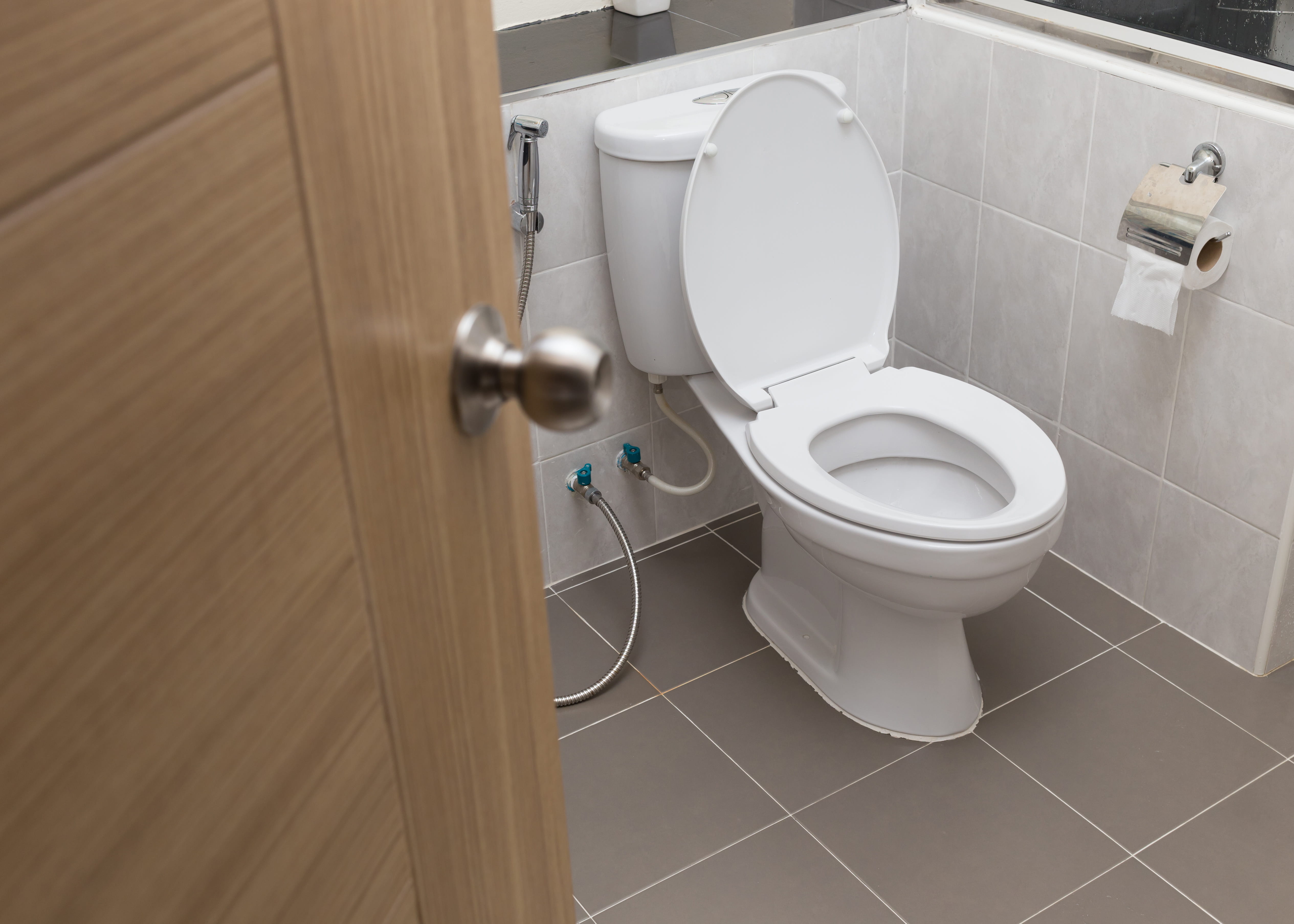
If water is collecting on the floor around the base of the toilet, turn off the water at the shutoff valve behind the toilet. That usually means a failed wax ring or flange, not a tank problem, and using the toilet will keep pushing water under the floor. Our fixture repair page explains what that repair involves.
And if your toilet is more than 20 years old and keeps needing parts, replacing it is often the better investment.
Can I just replace the flapper myself?
Yes. Turn off the water at the shutoff valve behind the toilet, flush to empty the tank, unhook the old flapper and install the new one. Check the size first: most are 2 inches, but many newer toilets use 3-inch flappers.
Why do flappers fail faster in Elgin?
Hard water leaves mineral buildup on the flapper and the surface it seals against, so it stops sealing sooner. Bleach tablets in the tank make it worse, because they break down the rubber.
Is a running toilet an emergency?
Not usually. If the water stays inside the toilet, it's wasting water but not causing damage. If water is leaking onto the floor, turn off the shutoff valve behind the toilet and give us a call.
Keep reading
More from the blog.
Is a water softener worth it here?
For most Elgin houses, yes — but not for the reasons the door-to-door salesperson gives. The plumbing savings are real; the skin-and-hair pitch is not why it pays for itself.
Read the postDoes liquid drain cleaner actually work?
Short answer: sometimes, on hair and soap in a bathroom sink. On a kitchen line, a main line, or anything you have poured it into twice already, it is doing more harm than the clog.
Read the postAll plumbing services
What we do, what it costs, and how each visit actually goes.
Browse servicesA plumbing problem should
not become a renovation.
If it is safe, close the nearest shutoff valve, move belongings away from water, and tell us exactly what you see.